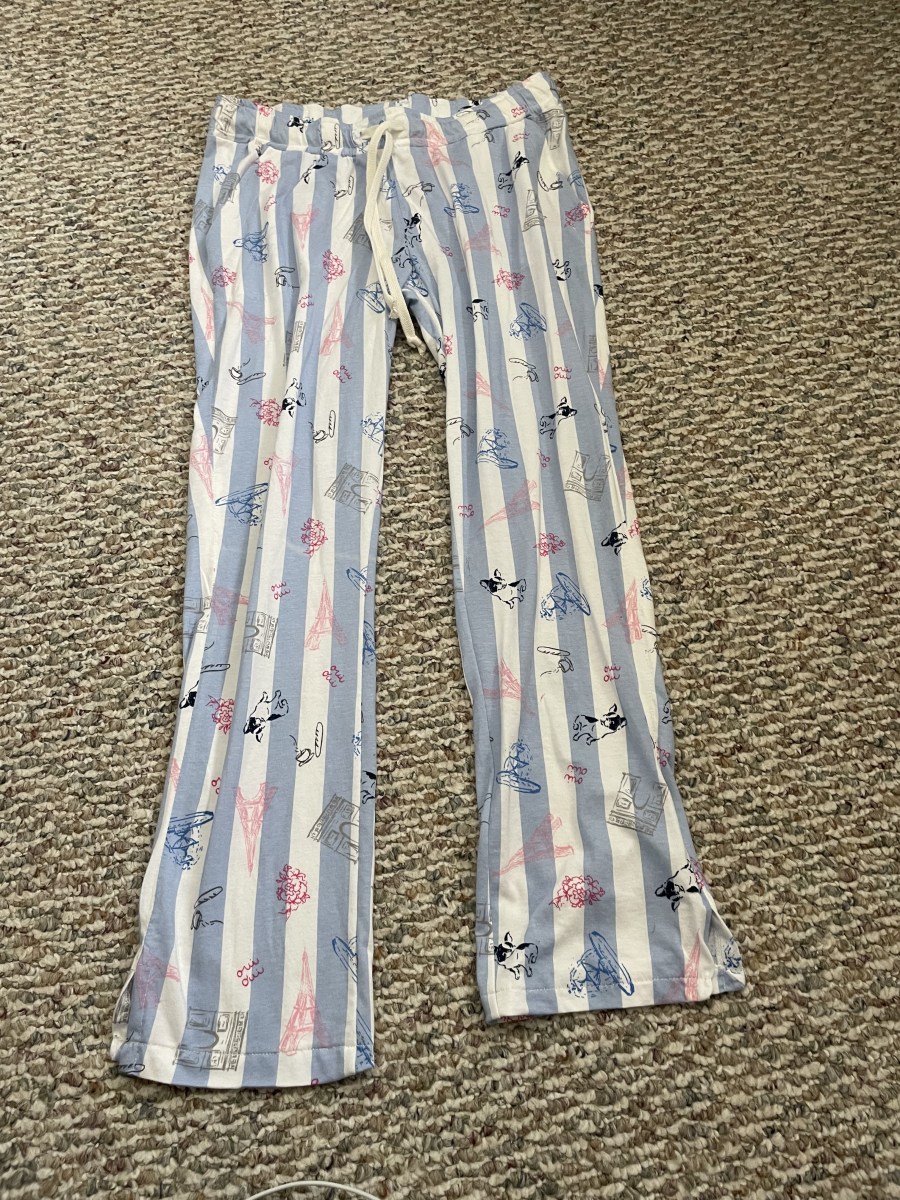
Grommet trouble for Nusle Joggers

With the holidays in full swing and me being sick every other week, I have not had much time for my sewing projects. However, I was able to make some quick lounge pants with the rest of that knit I used for my Riley top. I knew I wanted some fun pants, but had no idea what pattern to use as I didn’t want to make just typical pajama pants. I found the Nusle Joggers from Itch to Stitch a great option, despite the fabric being just a thin stretch cotton. I liked the long split hem option for the look and it seemed like a fast pattern to sew up.
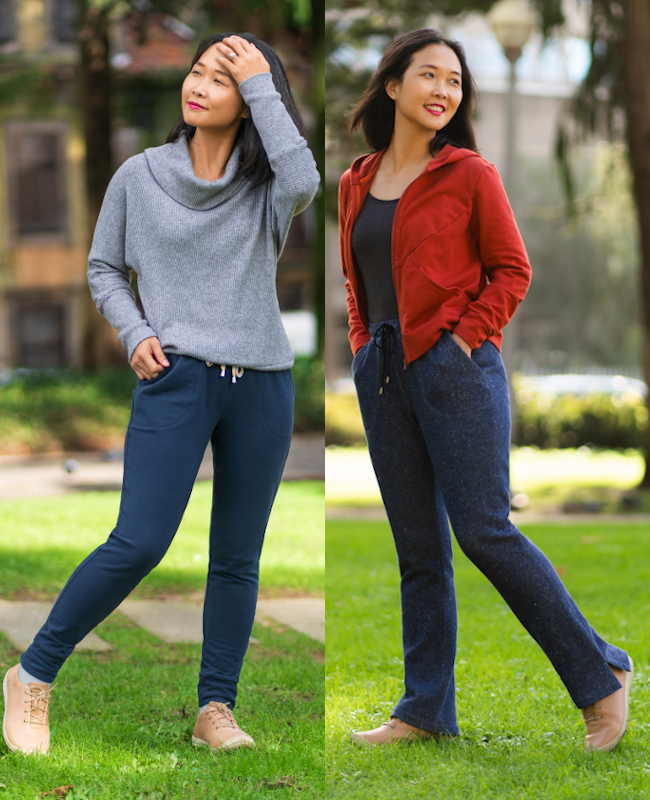
The Nusle Joggers come in two different hem options and some easy to assemble pockets

Everything was going really well and finishing the split hem on the bottom was a lot easier than I originally thought. But for the waistband, I realized the pattern was calling to add grommets for the drawstring to go through. Even though I could have just decided to sew buttonholes instead, I liked the idea of adding the grommets for a different look. I tried to use the metal eyelets I already had from some shorts I made. However, because the eyelets didn’t have a back, they weren’t able to grip enough of the thin fabric to securely fasten on to the hole, even with interfacing. I decided to purchase different grommets that I could put together and hammer in with a tool. It seemed to work well and I was very pleased with the metal holes for my drawstring. I put together the waistband and after a few tries, got the stitching around the waistband to a place where I liked it.

The split hem on the Nusle Joggers

When I finally acquired the drawstring, I went to use the trusty safety pin I usually use to install it into the waist. However, this pin was too big to fit through my grommet. I tried a smaller pin, but the head was still to big to fit. As I was looking for an even smaller safety pin, I remembered that I actually had a special tool that is used to thread a drawstring that had a pretty small loop at the end. It fit inside, so I started pushing the string inside. As I pulled it around, I noticed that it had somehow pulled the whole grommet off as well and I was left with a torn up hole in it’s place. The second grommet came off as well as I tried to get the string out the other side.
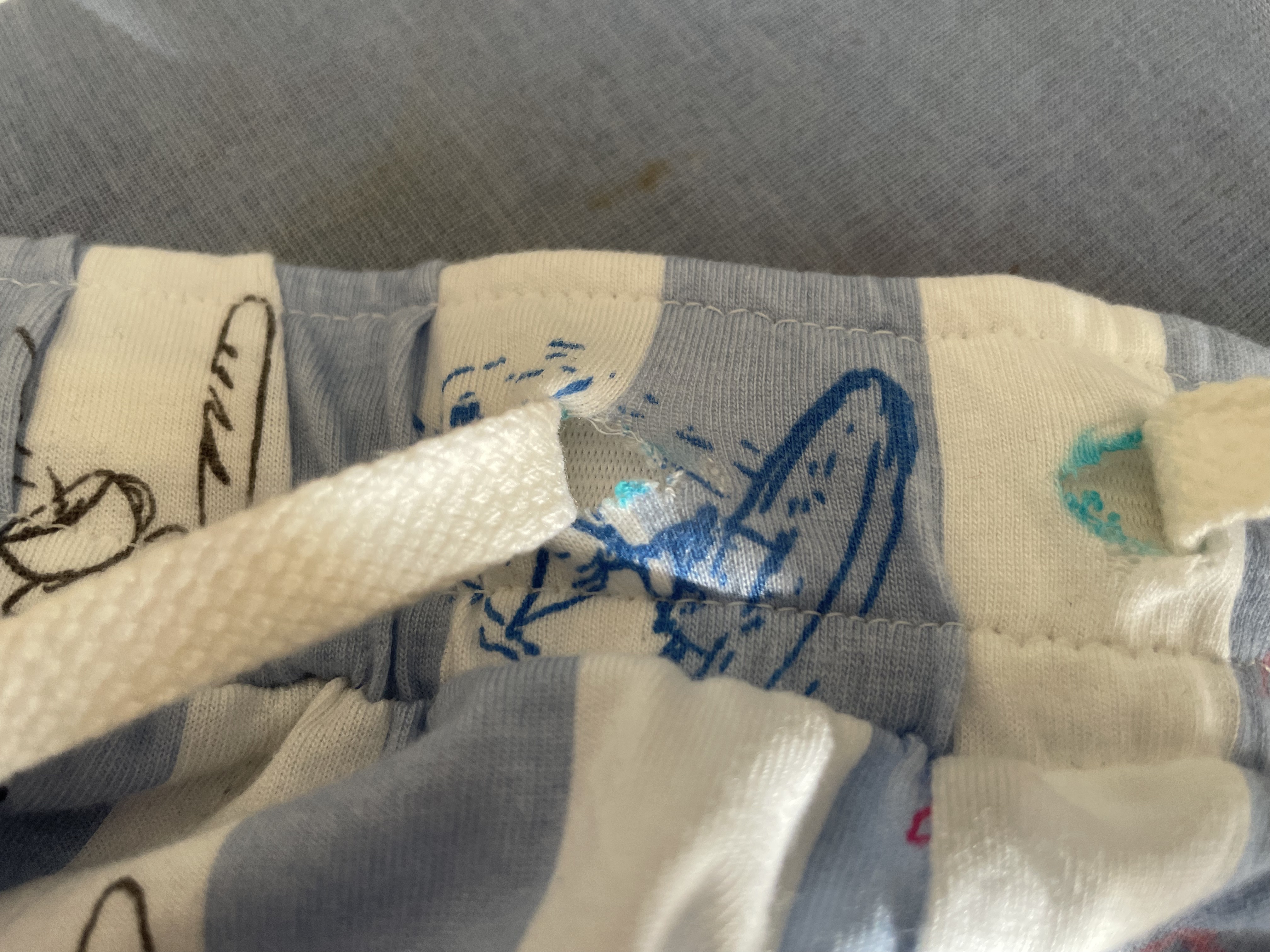
I couldn’t believe I had come this far with finishing the project now to have the whole thing ruined. There was no way to reinstall the grommet without taking apart the whole waistband and the fabric around those holes were so weak now, there was no way anything would be able to grip them. I knew I could probably hand sew around the edges, but I really didn’t want to do that. Plus it probably wouldn’t be too secure. I had the thought if only they made hole reinforcers for fabric like they do for 3-ring binder paper. I could iron on something that protected that hole and all the frayed material.

I couldn’t find anything that exists fitting that description, but I did find some iron-on cotton fabric that I thought I could cut out some holes to go over the fabric. I just need to figure out how to draw and cut out a decent looking circle. My attempt didn’t come out half bad…

Well at least these are just lounge pants and probably not anything I will be wearing too much out of doors. I’m guessing this grommet issue had something to do with this the fabric being so thin and not the proper material for the grommets to stick too. If I made these again in a thicker jogging pant fabric, it may work a lot better. Live and learn.

Besides this project, I have also been working slowly on my second sundress. The bodice is pretty much done and I was able to add some piping to make it more interesting. I’m trying to decide if I want to put more piping around the bottom of the midriff too – I will probably baste it on to see how it looks. I think I was able to get the straps right on this, but I probably won’t know until the whole thing is put together. Maybe one of these days I will figure out how to make adjustable spaghetti straps, but in the meantime, this will have to do.

Fall Fashion 2022: The Tank

Pattern: Itch to Stitch Lago Tank

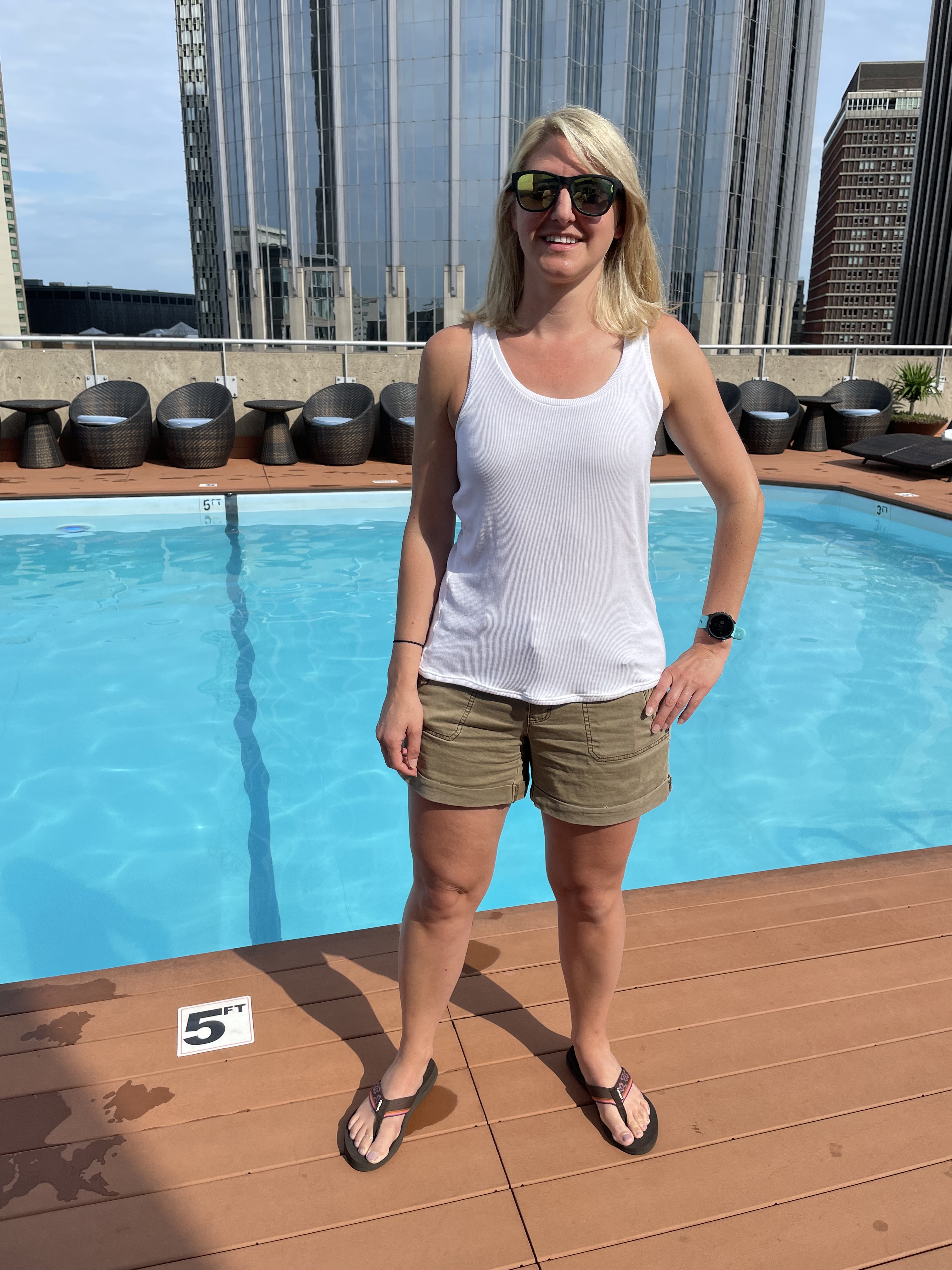
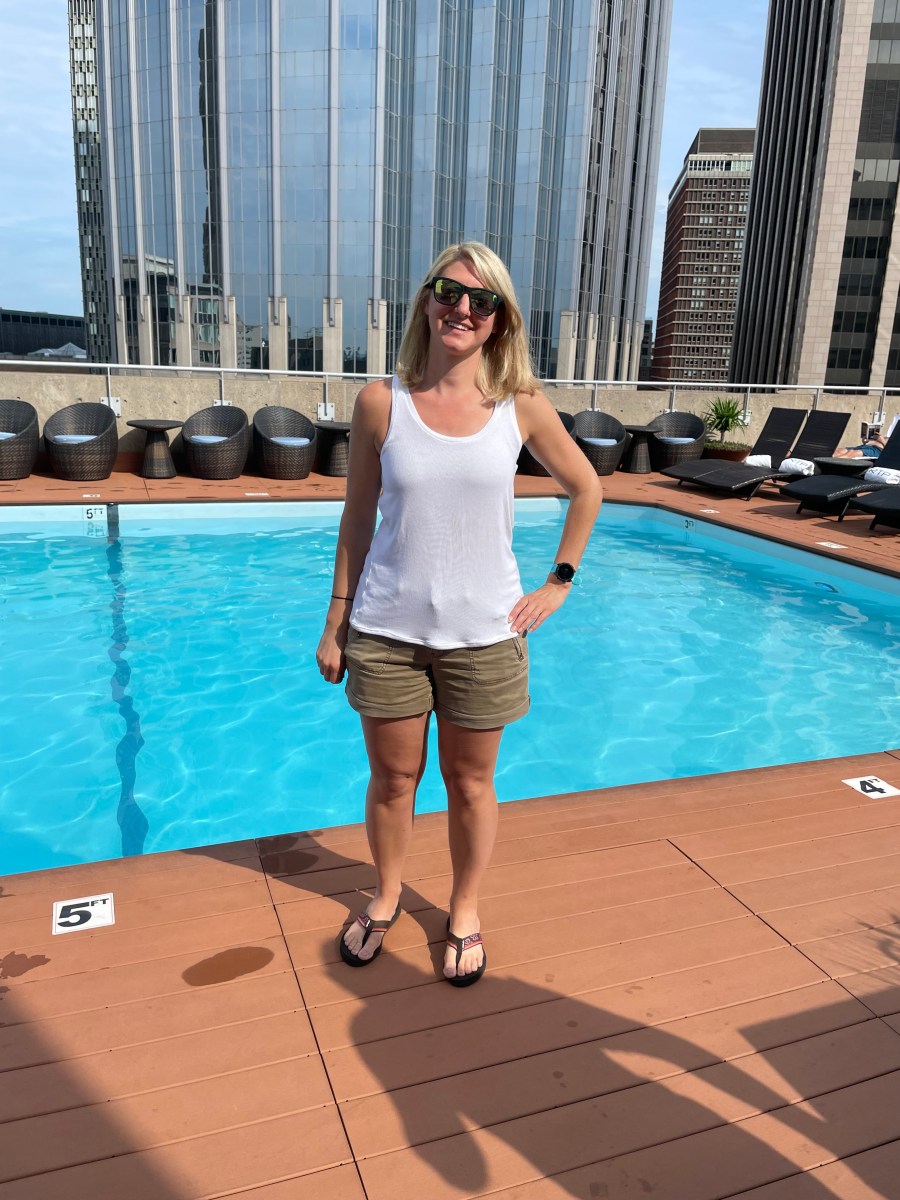
Sometimes, I like to check out future fashion trends to see if I can stay ahead in my clothing makes. I usually get a few ideas of what might be “hot” for next season and then I promptly run out of time to do anything. But this time, I hit the jackpot. I was looking up a few sources for what’s trending this fall and something caught my eye among the bizarre runway contraptions they call outfits – white tank tops. Apparently this is one of the looks that is in-style for this fall. Now this was something that I could actually accomplish before the summer ended.

I wanted to make a basic ribbed white tank top. I searched a bunch of patterns (and there are a lot that are free for this type of thing) and settled on the Lago tank from Itch to Stitch. This was a free pattern that I already had in my stash and had the look I wanted – neck bands and arm bands, with a slight racerback-like style in the back.

It could be a bit more fitted I guess, but all in all, it’s very comfortable. I decided to go with the double stitched seam for the hem, using a twin stretch needle. I made sure to put some interfacing along the hem so that the stitches didn’t create a tunnel effect. I increased the tension a bit as well.

Now I can say I made something for upcoming season. Some of these fashion sites also happened to mention bomber jackets might be making a comeback, so this is another goal to make one of these for the fall as well. I have an idea of what I want it to look like, but still need to get the main fabric for it.

I don’t think I could pass this off as one of those tanks that are selling for over $100, but hey it fits! What other fashion trends for this year are people planning to make?

Take Two for 2022: Blouses from nightmare fabric

Patterns:

  • Butterick B6684
  • Itch to Stitch Mila Shirt

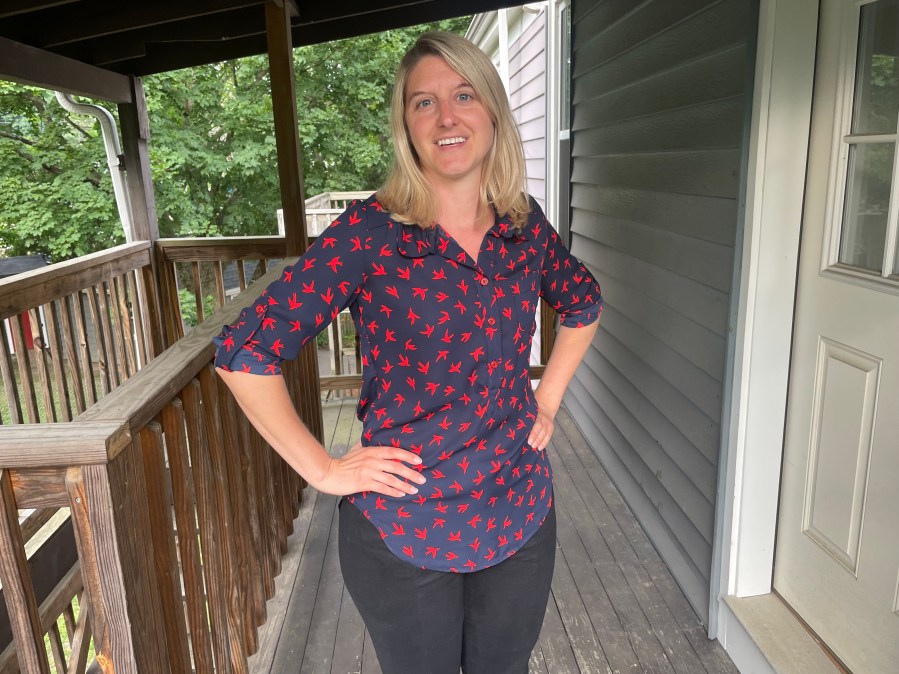
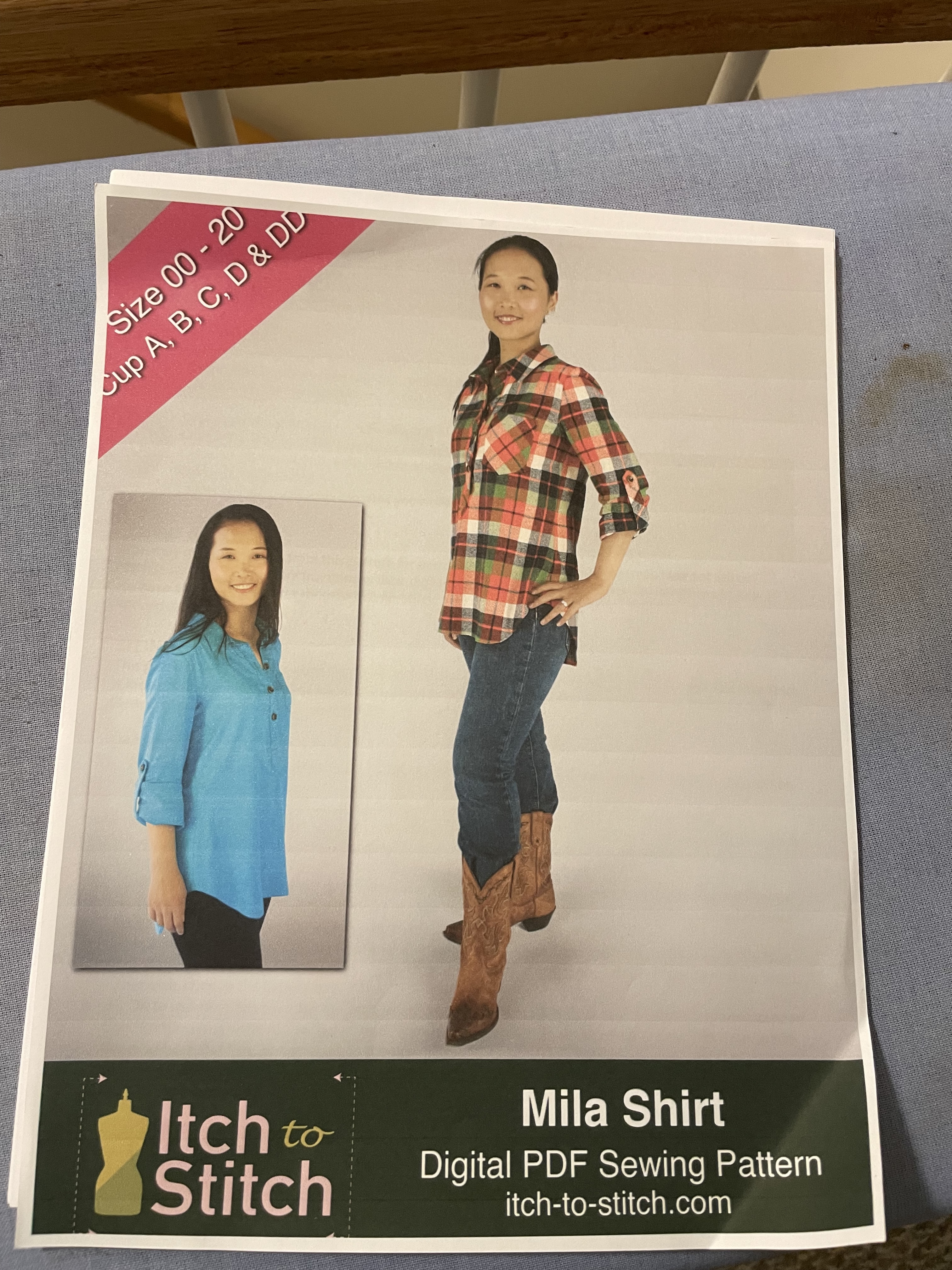
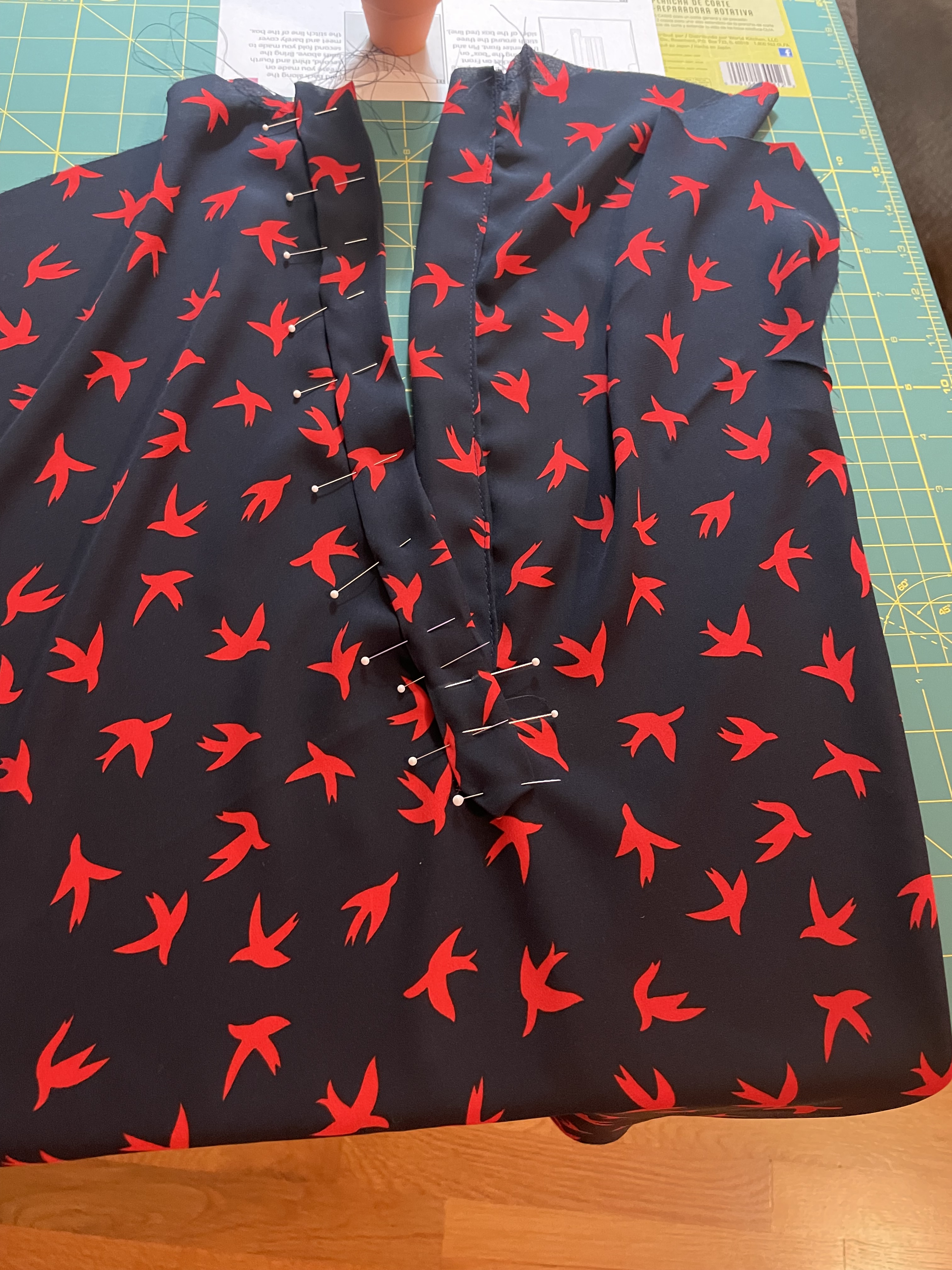
One thing I’ve been wanting to make is a sheer, flowy blouse. I have a few in my wardrobe that I’ve purchased over the years, but I’ve never attempted to make one. A few years ago, I purchased two different colored sheer crepe fabrics, both with a bird print on it. Looking at them, I envisioned a button down blouse with a sleeve tab, so I could roll up the sleeves. It took me a long time to find a pattern like this that I could use with a lightweight fabric. Or at least I wasn’t sure I could use a regular shirt pattern with material like this. I finally decided to go with the Itch to Stitch Mila shirt and started with my navy blue version of the fabric with red birds.

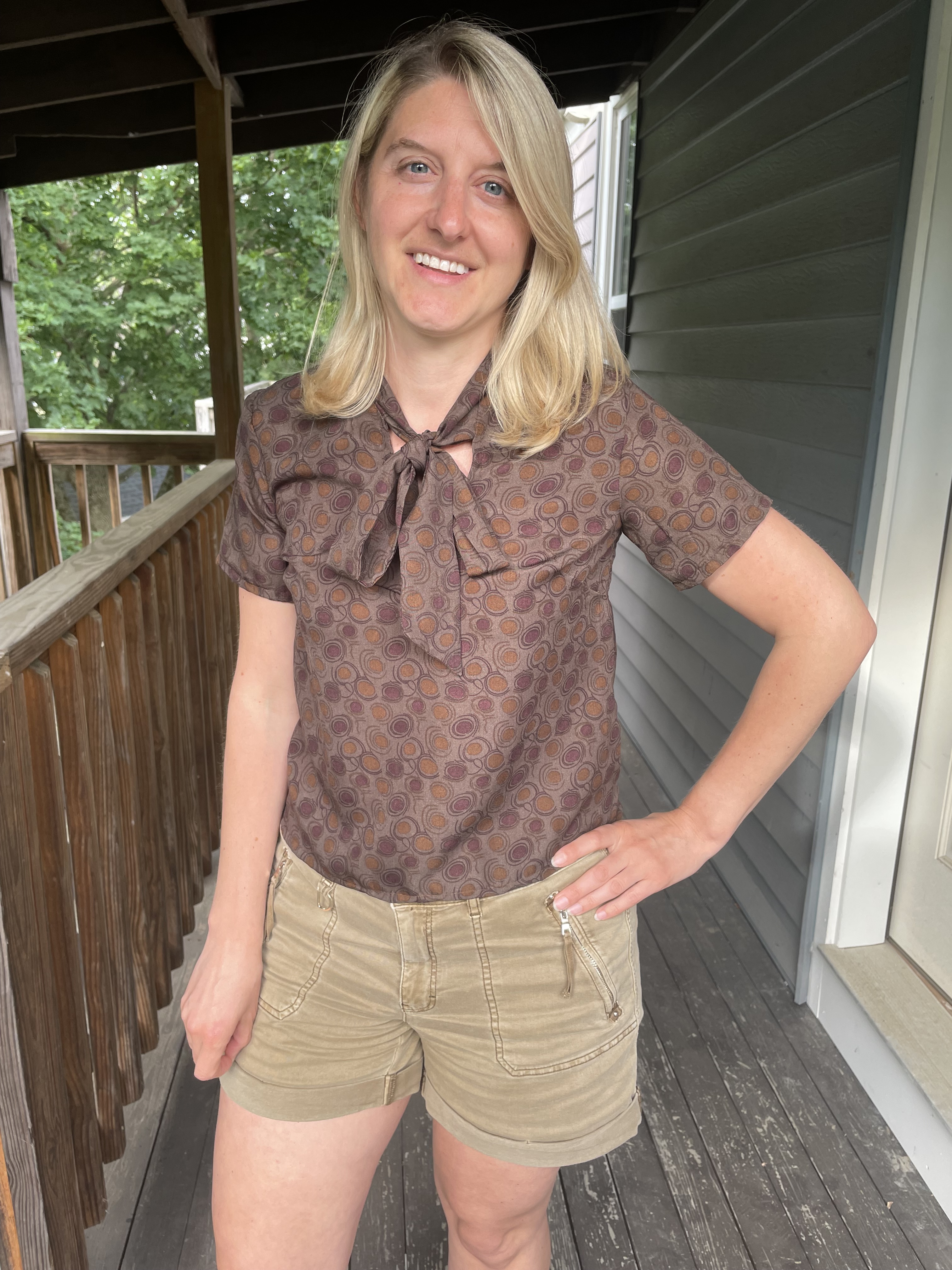
But first, I thought a quick project with some discount fabric would be an easy way to add a nice back-to-school-like blouse to my wardrobe. I’m not sure what type of fabric it was, because I got it off a discount table at Sewfisticated fabrics. I’m guessing it’s some sort of synthetic or polyester. It’s not as sheer as the crepe, but it had a slight flowy quality to it. And it was a bit slide-y when trying to cut it. I decided it would make a nice top with a neck bow, so I opted to use the Butterick pattern #6684. The top would be finished with french seams, but I was a little nervous about the fabric so I opted for a sharper needle. The results were not too bad, but the sleeves are a little tight and moving my arms forward in this top is quite a challenge. I’m guessing the french seams made this top a little tighter, so if I make this again, I will have to compensate on the seam allowances. It’s just so hard for me to use the proper seam allowances with this type of finish as I always seem to need to sew in a bit more to make sure no fabric is poking through the outside.

Since this wasn’t the blouse I was hoping it would be, I prayed I’d have better luck with my bird fabric. The one thing I noticed with that first blouse was sometimes the material would pucker a bit with the stitching. When I tried some practice stitches on the crepe, sometimes the fabric would actually get pulled into my sewing machine. I knew I needed some sort of stabilizer if I was going to make this work.

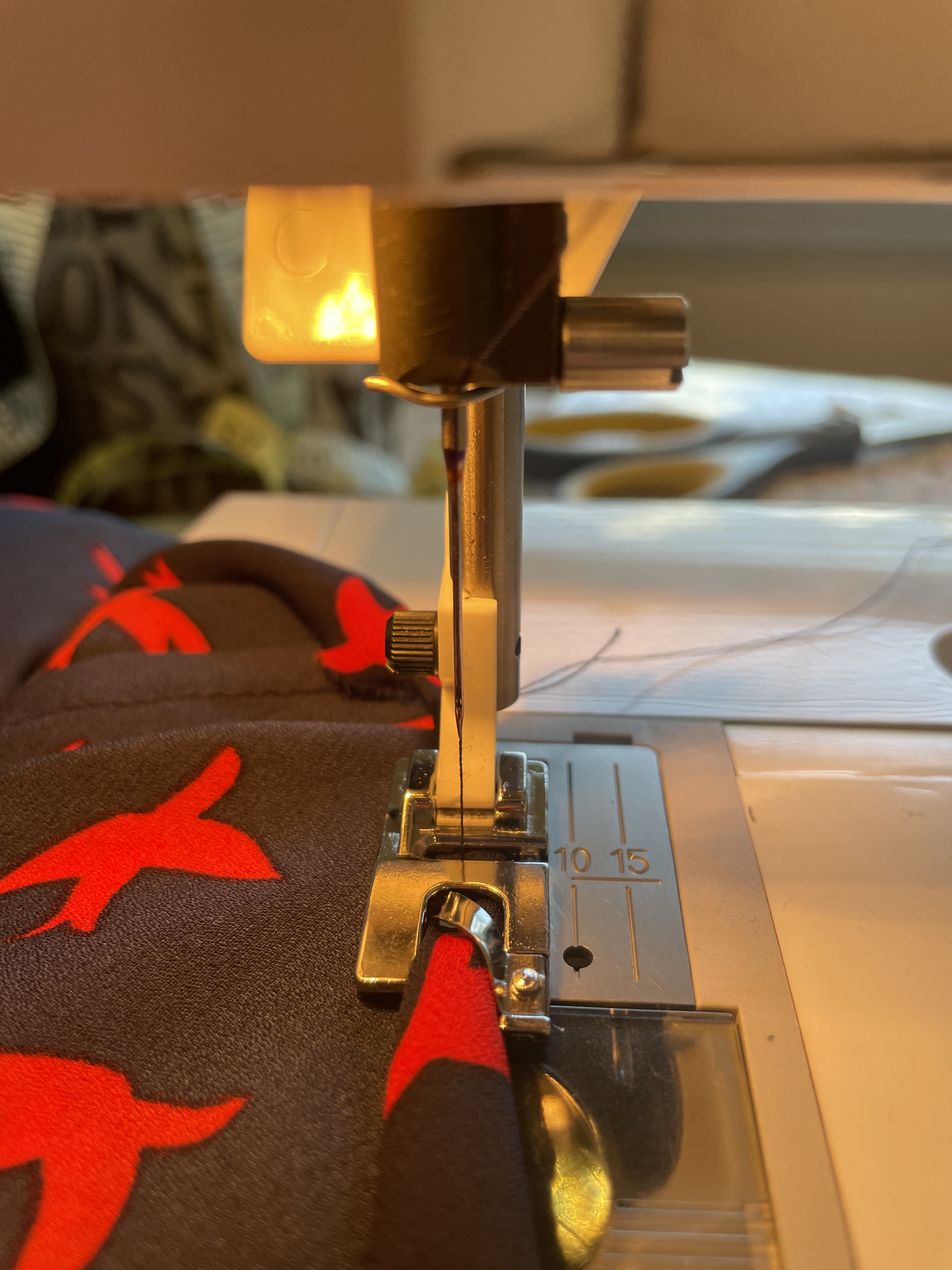
There were a few options, but I felt the easiest thing to do was to sew with tissue paper. The extra step of setting up the tissue paper under the fabric as I sewed and then tearing it off was annoying and time consuming, but definitely worth it. The stitches were definitely more even and the material kept its shape as I was sewing. I used french seams here too, which also added time to this project, but I like the end result. The other issue I had with this fabric was that it would not press at all, no matter how hot the iron was or how much steam I used. I’m guessing the fabric is synthetic, just from the feel of it. Since pressing was so much of an issue, I decided to do a rolled hem on the bottom, which required me to buy another foot for my sewing machine. I do think it will prove to be a good investment and I really liked the way it folded the fabric automatically as I sewed. It was difficult learning how to use it on a curved seam like the hem, but surprisingly I didn’t have to unpick and re-sew too much of it. I went pretty slow, trying to make sure the fabric wrapped around the foot correctly as I curved around. I think next time I make this with this type of fabric, I might use my serger to do the rolled hem as this fabric is so tough to control.

My new rolled hem foot
Rolled hem foot in action!

Making a shirt with just a front buttoned placket instead of a full button down was also a good choice for this top. I eventually want to make another one with the off-white crepe bird fabric I got as well, but after this project I definitely needed a break. It might be a few months before I attempt it again. The only other change I would make is to shorten the length a bit. I really like the tabs on the sleeves and would definitely keep these on the next version, even though again, it added more steps to the process.

I’m lucky this blouse fits so much better than the other one I made. It’s not perfect, but definitely close to what I had envisioned when I bought the fabric. I wonder though, is working with nightmare fabric like this worth all the suffering?

Top Dog Top: The Vienna Tank Waits for You

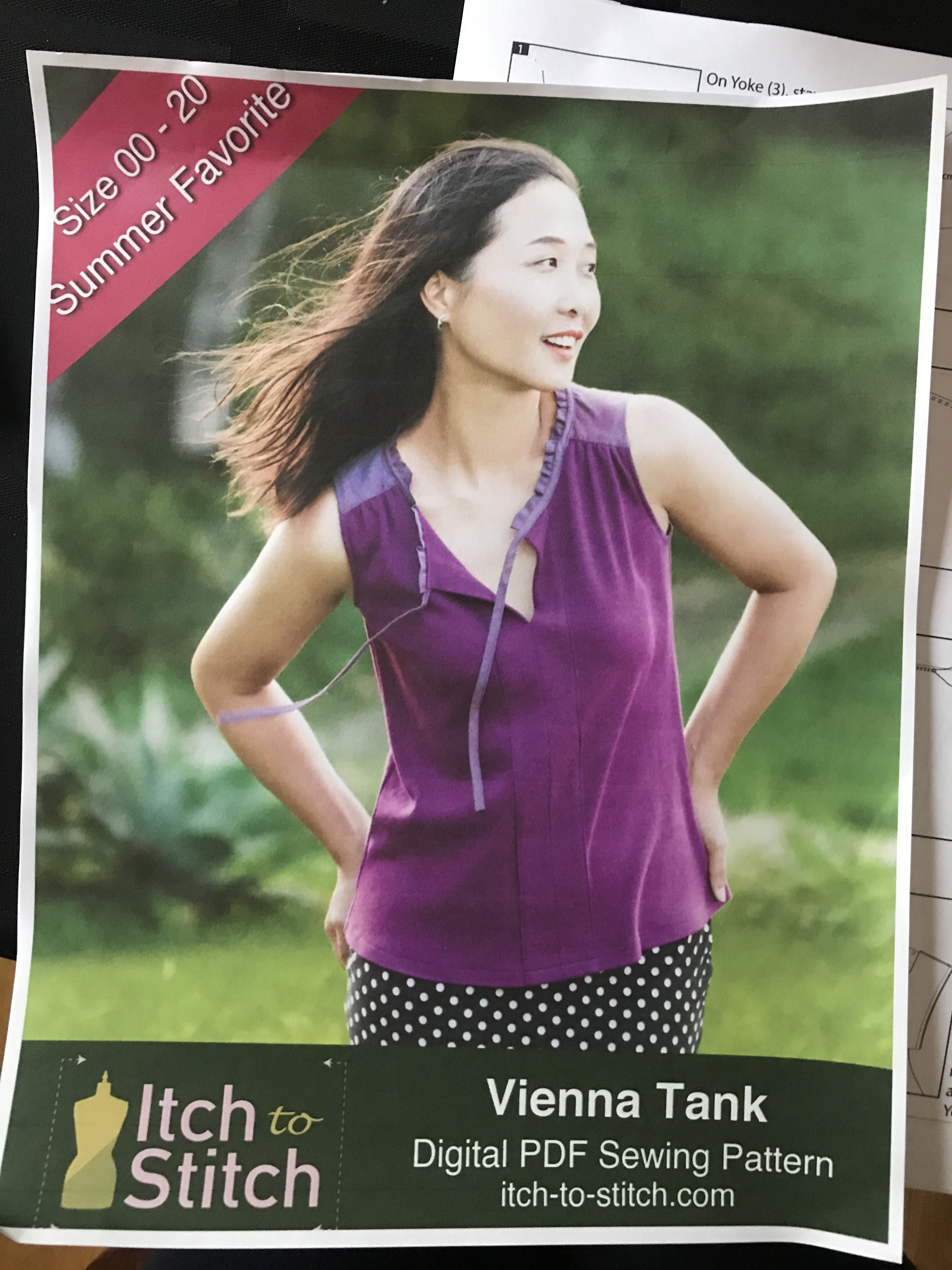
Pattern: Itch to Stitch Vienna Tank

It’s fall in New England, but currently it still feels like summer. Since I didn’t have much time for my blog this summer, I thought I would take the opportunity on this hot sunny day in September to write about some of the summer projects I worked on.

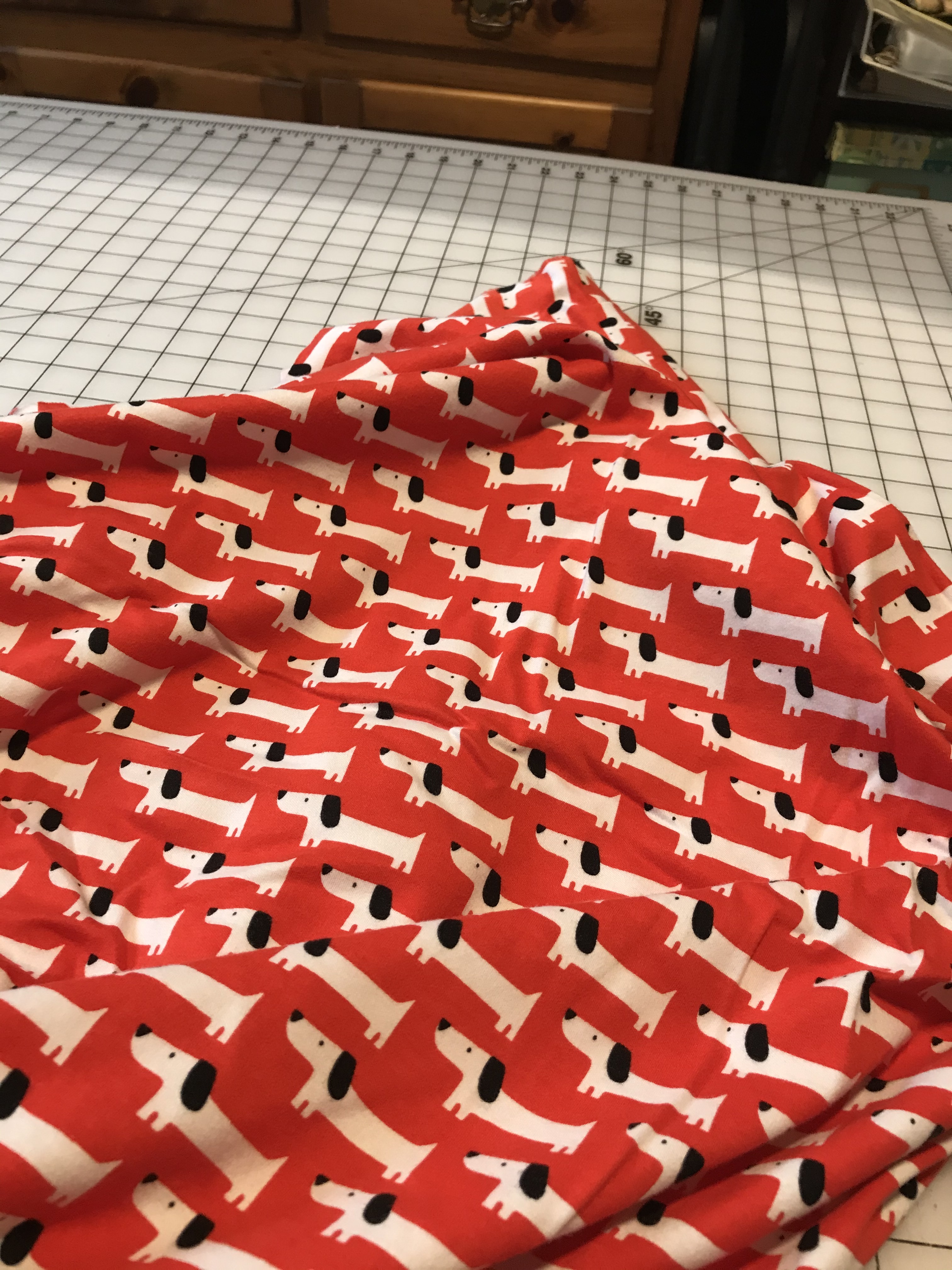
I’m extremely proud of this tank top, which uses the Vienna Tank pattern from Itch to Stitch. This pattern was intriguing to me because it uses both knit fabric and woven fabric and I had just the knit that I wanted to use. I found this great wiener dog fabric at Fabric Place Basement in Natick, MA and I thought it would make a cute animal-themed top. I found some soft black cotton for the yoke and ruffle to complete the garment.

This pattern required knit interfacing to stabilize the arm holes, as well as some stay tape for the pleat down the middle. I knew the interfacing would work well since I had successfully used this technique when sewing up another tank I had made.

Fusible knit interface helps stabilize the arm holes

No crazy twin needles this time, and that was okay by me. I just used a zig zag stitching on the hems. The knit was pretty stable and not too stretchy, so it worked really well with the woven back.

Continue reading “Top Dog Top: The Vienna Tank Waits for You”